

Recently, I was revising my current WIP, when I reached a situation in the story where I was considering using the Karen trope. It made me stop and think about the future history of this caricature and trope. Which brings me to the topic at hand: should we be using 21st Century social media terms in our stories now?
I compiled a list of 8 terms to review (of course there are more), determining whether we should use them in our fiction.
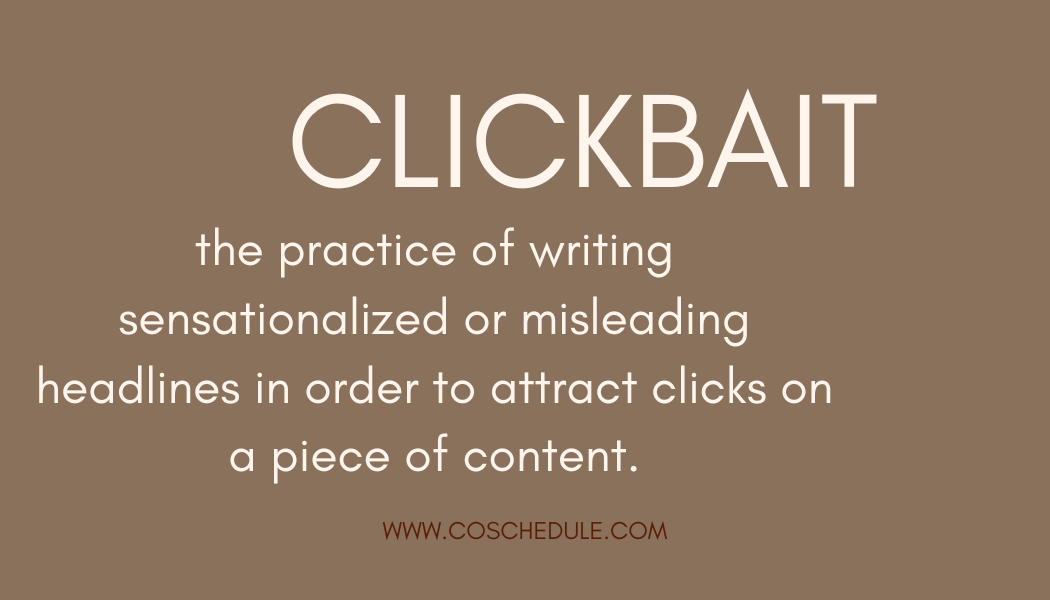

Clickbait has always been a point of contention for social media users. It’s annoying and aggressive antics to lure unsuspecting users to a post or video they would not be compelled to read or watch if honest tactics were used. However, it could make for intriguing storytelling, to use this as a literary device to add tension to your plot. What you don’t have to worry about is clickbait becoming an outdated term. As long as there is social media, which is a staple in the 21st Century, there will be clickbait.

This term is new to me but not the behavior. When I first saw the word, I thought it meant influencers who no longer possessed strong persuasion over their audience. I learned that it means influencers using their follower base to dissuade people not to buy, or buy less of something. I see this as a great trait, to assign a character, to build tension and conflict between characters. However, I don’t know people who use this term, nor do I know any examples of this term being used in fiction. With the lack of use of the term, I’m hesitant to use it explicitly; still, it would make for interesting storytelling.
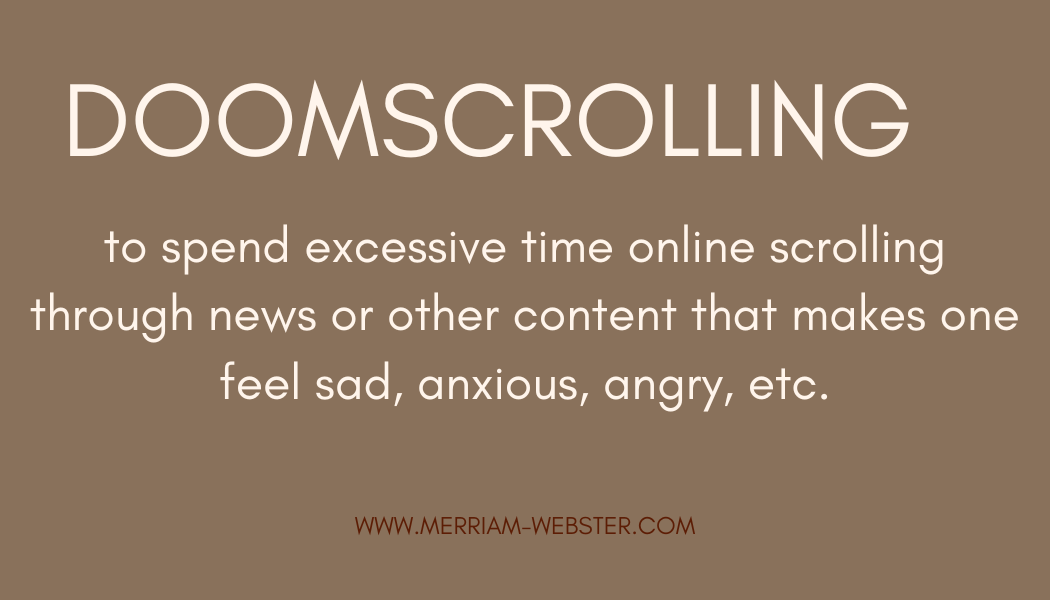
Doomscrolling describes obsessive behavior that is unhealthy for one’s mental state. It is not good for your character, but can make for a great popcorn read for readers. To see a character spiraling downhill, lacking the self-control to pull themselves out of the cycle, cements your story into an addictive read. The word itself is rarely used, but the behavior is often exhibited in stories. It is safe to use this word because it describes human behavior that I don’t see becoming obsolete.

The Karen trope is infamous for it’s female character being oblivious to how she is perceived and how embarrassed she should be by her own behavior. This female character’s infamy during the COVID lockdown has turned it into a caricature of a caricature. It is overused and has run out of ways to be unique, making it predictable and less interesting. You can use it in your storytelling, but prepare to have readers complain how old and tired your story and character(s) are. As for me, I choose to stay far away from this type of female character.

I’m sure that culprits of sadfishing, from the 20th Century, are feeling neglected for not being apart of the trend today. This behavior does represent a character who is mentally unstable and not coping well with their problems. I can’t speak to the longevity of this word, but it does sound like it can change to mean something different to the next generation. For that reason, I’m not confident in using this word in my stories. However, the behavior can be described in our stories for infinity.
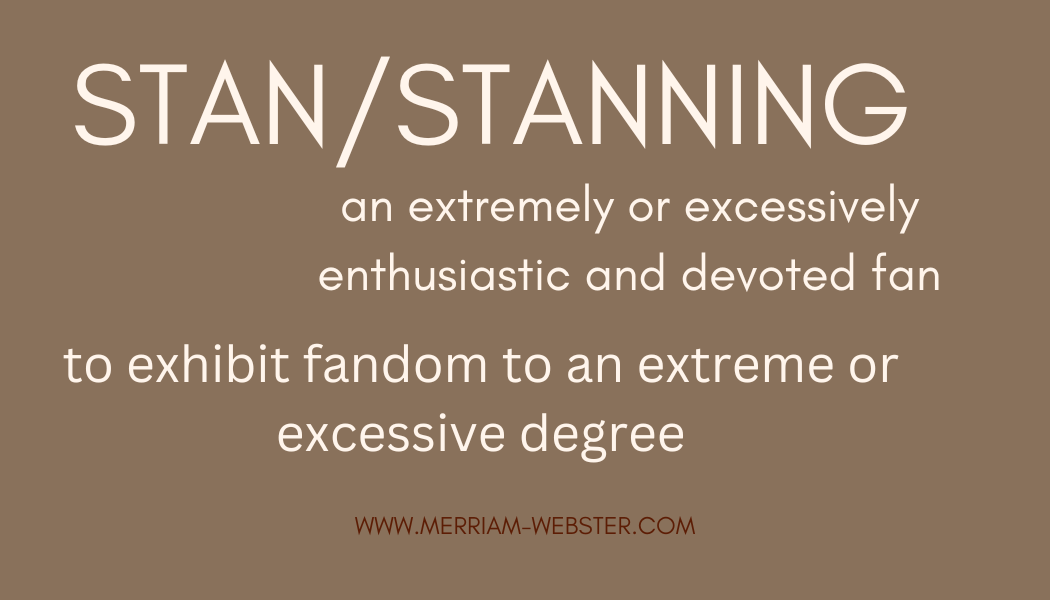
A stan is the new word for what used to be referred to as an obsessed fan. It has always been around and we have always used these characters in stories; we just found another word for them. Believe it or not, I do see this word becoming obsolete, or it’s meaning changing over time. Questioning it’s sustainability aside, I would not use “stan” or “stanning” in my storytelling because I can see future generations remiss by the context. That is not to say it wouldn’t make for great storytelling when used today.

This word already has multiple meanings and its own history in the American English language. I trust that this meaning will stick around for quite some time. This word is safe to use in stories and also adds to the comedy of the character trait. There’s an innate humor in the word that makes you not take the character too seriously. As a skilled writer, you can use this to manipulate your audiences assumptions and have some real fun with your writing.
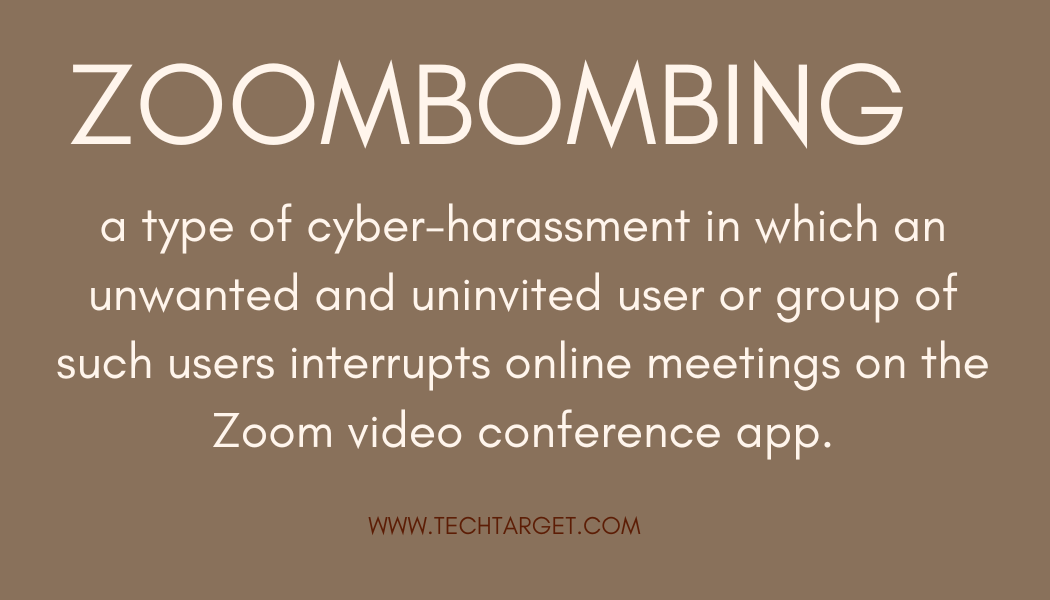
This is another one of those terms that was new to me. Because it is associated with a specific platform, I see it becoming obsolete in the near future. Although, the behavior can be referred to on other platforms. This word is not used often, but again, I think that might have to do with it’s origin platform. For that reason, I would not use the word, but if you choose to use it, prepare to have you story sound prehistoric before it becomes historical fiction.
There are other terms I could discuss here. Let me know if you had this discussion, in your head or with others, about social media terms you were considering using in your writing. Which terms were they, and how did you decide to include or exclude them from your story.
Discover more from Tameka Fleming
Subscribe to get the latest posts sent to your email.
 Tameka Fleming