I rarely come across compelling stories about women of a certain age. This Netflix series Vladimir had me glued to the screen for all six episodes. A multitude of reasons make this protagonist above average: she is a college professor, married to another professor and they work together (it’s complicated); they have an open marriage—mostly open on the husband’s end—and he is involved in a MeToo scandal, involving female students, but the professor wife is no Hillary Clinton.
If Rachel Weisz is in her late fifties, actresses over fifty should have no problem getting cast in Hollywood films. Of course not every woman looks like Rachel Weisz, which is why it was an obstacle to overcome at the beginning of the series: I can’t say she succeeded. In scenes with her thirty-something, much younger professor and colleague, the age difference didn’t come across as visibly as it needed to when she instantly started crushing on this boy toy in her head.
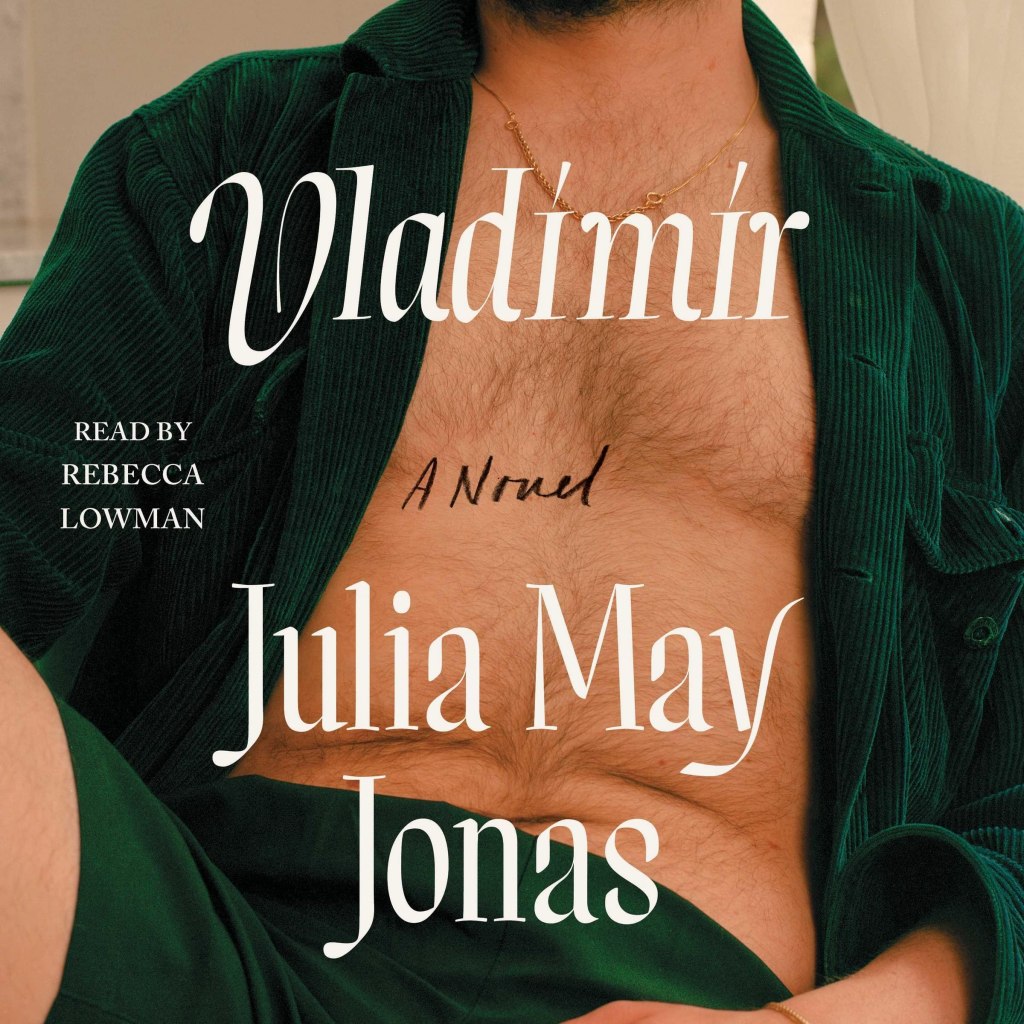
After watching the Netflix series, I compulsively read the 2022 debut novel, of the same name, from author, playwright, and director Julia May Jonas.
The book gave more clarity to the protagonist, while making her hard to bear since she is also the narrator of the story. She did read much younger than a fifty-eight year old woman. The main reminder of her age is her adult daughter who remained close to her parents but, if you are judging based on her behavior, the protagonist reads more like a twenty or thirty-something year old woman.
She is relatable the way she harbors insecurities and resents younger women simply for their youth. On the other hand, she can be critical of women while empathetic to younger, attractive men.
There are some things the book does better and in ways the series better portrays the complexity of a mature woman crushing on a younger professor while remaining in a marriage past its expiration date.
While I did not enjoy the book ending, which I thought was an overreach, I recommend reading the book and watching the series. The protagonist is annoying most times, especially in the first half of the book, but getting to know the academic world that in part, shaped her cynical and semi-interested attitude, makes it worth your time.
 Tameka Fleming
Leave a comment