

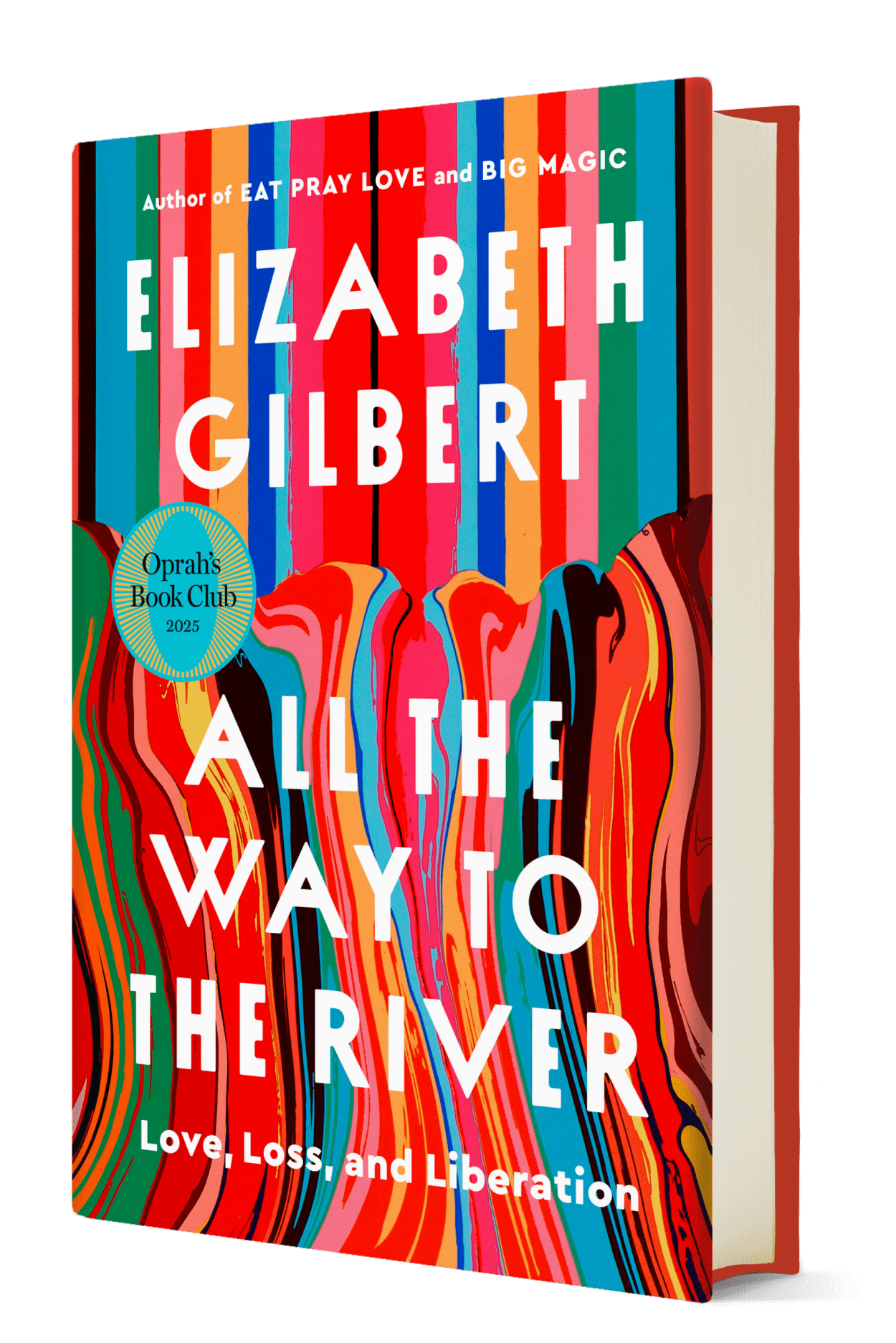
Elizabeth Gilbert has a new book release, All the Way to the River. She is like the Oprah of books, i.e., women (of a certain age) love her and will buy anything she writes. This is not my foray into Elizabeth Gilbert’s written works; I have read City of Girls, which is a historical fiction novel, and Big Magic, a nonfiction book about writing. I enjoy the author’s works to an extent. She is a talented writer, which is why I decided to give her new book a read.
I am not a fan in the sense that I run to the bookstore to buy her releases as soon as they hit the shelves; conversely, she is one of those authors who is on my radar. Her writing style is engaging and above par, keeping me interested. Although I must confess, I have yet to read her best-selling memoir, Eat, Pray, Love. I know, the literary community hasn’t scheduled me to be stoned yet.
Big Magic is a book I would recommend to creative people who are looking for direction, affirmation, or curious about the author’s perspective on creative writing. City of Girls, although it was well written, I did not enjoy as much. As a writer myself, I hate when people assume myself and my protagonists are one in the same.
It surprised me when I did just that with Vivian Morris, the protagonist in City of Girls and Elizabeth Gilbert. I perceived the main character to be a thinly veiled account of Elizabeth Gilbert’s history with love and romantic relationships.
In this fiction novel, Gilbert explores the uninhibited sexuality of a young woman living in New York in the 1940s. Granted this is a time when a woman like Vivian Morris would not have been as confident as a promiscuous woman. However, Gilbert wrote her as a confident, attractive, and vibrant woman, who wasn’t chasing a man and wedding proposal.
My main gripe with this story is how the character never seemed to mature past that lifestyle. I found it unrealistic that years later, a now eighty-nine-year-old woman, would recount her raunchy twenties and be proud of her licentious lifestyle and have no mature reflections decades later.
My suspicions were confirmed when I read All the Way to the River and started to learn more about the author’s personal life. She admits to her own promiscuity, as rebellion against societal restraints placed on women and her own personal desires. I’m not judgmental of her sex life except as it relates to getting older and not seeming to learn that there are other pleasures life has to offer. I get the sense that City of Girls is Elizabeth Gilbert’s unauthorized biography she didn’t realize she wrote, or maybe she did.
However, I take issue with her latest book, All the Way to the River, for a number of reasons:
- First, being that she uses someone else’s story to write a memoir that is sold under the guise that it is Gilbert’s story.
- Secondly, she is discussing someone who she calls a friend—theirhistory with drug addiction and their recovery path.
- Third, when she discusses her own harmful and addictive behavior, she phrases it in a way to suggest she is an addict for altruistic reasons, to portray her addictions as less shameful.
I’m not sure if Ms. Gilbert was given permission from the family of her friend Rayya, or if she discussed this idea with her friend before she passed away, but I find it disrespectful that she calls this person her friend, yet she is discussing her “friend’s” details about intimate and challenging times in her life.
Gilbert does remark how her friend was forthright in sharing her struggles with any and everyone. But that caveat sounds like it was said to justify Gilbert’s loose lips. Still, whether her friend was open about her addiction struggles or not, I don’t believe it gives the author consent to publicize, in a book, her friend’s addictions.
When I say publicize, in Gilbert’s memoir, she lists numerous drugs her friend used and abused over her lifetime. She even shares details about her friends’ journey through Alcoholics Anonymous. Again, is it her place to talk about someone else’s story?
Her friend was an open book, but the open book is deceased now and the sense I get is that the author is taking advantage and exploiting her friend’s death for financial gain; maybe because the author needs financial rehab. It has been six years since her last release.
Gilbert is an established and prominent author; I say this to acknowledge that she received a pretty penny for this story. Eat Love Pray, her most notable work and memoir, which went on to be adapted into an Oscar nominated movie, starring Julia Roberts, made Gilbert a household name. Being who she is, I’m sure she received six figures or let’s just say—a lucrative contract however, how much of that money is she giving to Rayya’s family?
What monetary arrangement did she make with them? The majority of this memoir has been about Gilbert’s friend’s life as a drug addict and the health and lifestyle issues she endured because of it.
Elizabeth Gilbert talks about process addiction, which is a personal problem she admits that she struggles with. While I admit it is brave to acknowledge ones’ personal struggles in this manner, I found it uncomfortable reading this book. I kept wondering if Rayya’s family is ok with how open the author about their loved one’s story.
Overall, it is an inspiring read that I recommend if you are at ease with that sense of reading someone else’s diary. I may not know what I’m talking about, and Gilbert has keen knowledge of her friend’s acceptance of this book being published. Either way, it’s on shelves, and available for you to read and voice your opinion. Read on!
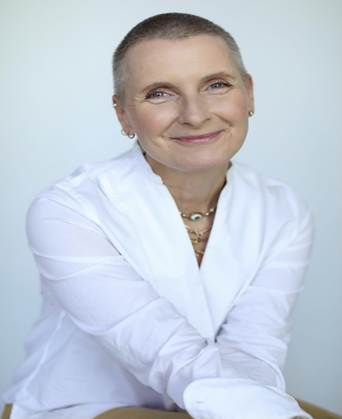
Photo of the author courtesy of Elizabeth Gilbert’s website
Discover more from Tameka Fleming
Subscribe to get the latest posts sent to your email.
 Tameka Fleming